

Renters Rights Bill Update: What Locks Heath Landlords Need to Know

On 11th September Parliament had the first reading of the Renters Rights Bill, and I want to take a moment to reassure Landlords that there’s really nothing ground breaking in these proposals that should catch you off guard. In fact, most of the changes were part of the Conservative Party’s agenda before they lost power in July. Regardless of which political party is in charge, these reforms were set to come into play, so there’s no need to worry that anything revolutionary is happening.

Let’s break down what’s involved and how it might affect you as a Locks Heath landlord.

The End of Section 21 ‘No Fault’ Evictions

The big headline in the newspapers was the abolition of Section 21 evictions. For years, Landlords have been able to give Tenants a two-month notice to leave a property without giving any reason. The proposed changes will scrap these ‘no fault’ evictions, which many have viewed as unfair, particularly when used to displace Tenants who challenge poor living conditions or refuse to accept rent increases.

But don’t worry, this doesn’t mean local Landlords are left powerless. You will still be able to evict Tenants who break the rules under Section 8 of the Housing Bill. This will cover situations such as non-payment of rent, damage to the property, or antisocial behaviour. The main difference is that it will require a court order, which, admittedly, has faced delays in recent years. The government has assured us that they will work to clear the backlog and streamline the process.

Rent Increases and Bidding Wars

Another important point is the ban on bidding wars. Many local Landlords and Letting Agents have seen some Tenants offering above the asking rent due to the high demand for rental properties. The new legislation will make it illegal to ask for or accept bids higher than the advertised rent. This may stabilise the market, but it’s something to keep in mind when setting rent prices for your local rental property.

Additionally, in-tenancy rent increases will be limited to once a year and will no longer be allowed during the fixed term of a tenancy. While this might seem restrictive, it provides a sense of stability for Tenants and can encourage longer-term lets.

Energy Efficiency and Property Standards

The proposed bill also introduces stricter regulations on the quality and energy efficiency of rental properties. By 2030, Landlords will need to ensure that their properties have an Energy Performance Certificate (EPC) rating of C or better. This is a long-term requirement, so while it may require some investment, there’s plenty of time to plan and budget accordingly.

The introduction of the Decent Homes Standard into the private rental sector means that local Landlords will also need to ensure properties are maintained to a certain standard, particularly regarding hazards like damp or mould. It’s a move aimed at improving the overall quality of rented accommodation, and while it will mean more responsibility for Landlords, most of you are likely already meeting these standards.

Let’s Chat

If any of these changes are causing you concern, don’t panic. We are here to help guide you through what these reforms mean for your specific situation. Whether you need advice on complying with new regulations or simply want to understand how these changes might impact your investments, we are available for a chat.

Feel free to reach out at any time to discuss how we can ensure your properties remain compliant and profitable.

📞 Drop me an email (james.hill@brooklettings.co.uk) or give me a call on 01489 570011 for a no-pressure nor obligation conversation.
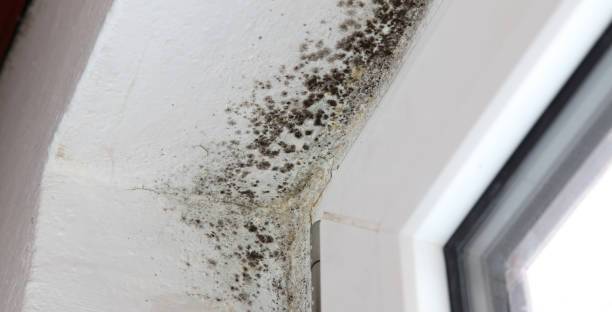
Handling Black Mould in Your Home

Black mould isn’t just an unpleasant sight—it can be a genuine health concern.

As the weather turns colder, it is important to take steps to prevent mould from developing in your home or rental property. Here’s what you need to know.

Why Does Black Mould Appear?

During autumn and winter, as temperatures drop and heating use increases, condensation can become a problem in many homes. Mould thrives in cool, damp areas where moisture from the air settles on cold surfaces.

While it may start as a cosmetic issue, mould can pose health risks. Once spores dry out, they can become airborne and be inhaled, potentially affecting lung health.

How to Deal with Existing Mould

If you spot mould, it’s important to clean it promptly. Using a mould-removal spray such as https://amzn.to/3QOxa5u or a mild bleach solution can eliminate visible growth, but without addressing the underlying cause, it may return.

Preventing Mould Growth

To reduce the risk of mould appearing in the first place, try these practical steps:

1. Drying Clothes

Drying wet clothes on radiators raises humidity levels in the air, which then circulates through the home, settling on cold surfaces and promoting mould growth.  To prevent this, dry washing outside where possible and avoid hanging over radiators, dry clothes using a tumble dryer if available, a portable heated airer with a cover, or any airer in a well-ventilated area with an open window or a dehumidifier to remove moisture from the air.

2. Air flow

On average, a person exhales around two litres of water every 24 hours, and a family of four produces nearly 14 litres of water a day through activities like cooking, washing, drying clothes, and bathing.  To allow fresh air to circulate the home, it’s important to open external windows, particularly during and after cooking or washing in the shower or bath, and open trickle vents regularly.  Most double-glazed windows also come with a facility to lock them whilst slightly ajar allowing more airflow throughout the home.  If windows aren’t opened, moisture accumulates, leading to mould growth on cold surfaces such as walls.

3. Adequate heating

Cold spots attract moisture so ensure property is heated consistently. The World Health Organisation Guidelines for Indoor Air Quality: Dampness and Mould recommends keeping rooms between 18c – 20c. 

Hygrometers such as https://amzn.to/4iqGrwo monitor heat and humidity levels in your property to assist you with keeping moisture levels in the home under control.

4. Use extractor fans and dehumidifiers

Ensure any extractor fans are working and vents and filters are clear. Portable dehumidifiers are widely available at different price points through online and high street retailers.

5. Consider adding plants to lower humidity

Certain houseplants, such as peace lilies, ferns, orchids, palms, and spider plants, have traits that can help lower humidity levels.

6. Wipe down moist surfaces

To prevent build-up, it’s essential to wipe away any condensation or surface dampness that collects on windows or walls with a clean cloth or towel daily. This helps minimize the growth of black mould.

7. Put lids on pans when cooking to minimise steam escaping

Putting lids on pans while cooking is important because it helps retain moisture, reducing the amount of steam that escapes.

What Next?

If your mould problem persists, more extensive measures may be needed, such as upgrading insulation, installing ventilation fans, or addressing structural damp issues. Since every home is different, it’s worth seeking expert advice before making major changes.

Advice for Tenants

Alert your Landlord or Letting Agent if you have concerns. Sometimes there may be a previously unknown defect in the building which the Landlord can then address.

Advice for Landlords

If you are a Landlord that has had a complaint about mould, providing tenants with guidance on moisture management can help prevent recurring issues. If needed, seek professional advice to help find long-term solutions.

By taking proactive steps, you can help keep your home, or rental property, warm, dry, and mould-free throughout the colder months.