
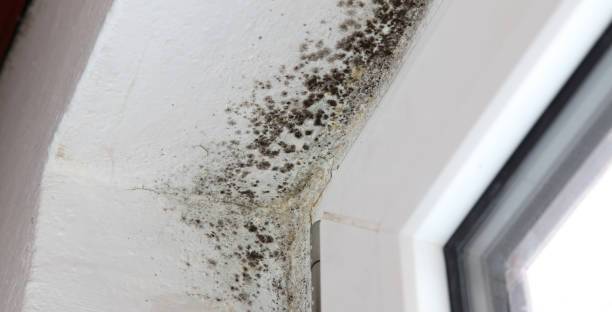
Black mould isn’t just an unpleasant sight—it can be a genuine health concern.
As the weather turns colder, it is important to take steps to prevent mould from developing in your home or rental property. Here’s what you need to know.
Why Does Black Mould Appear?
During autumn and winter, as temperatures drop and heating use increases, condensation can become a problem in many homes. Mould thrives in cool, damp areas where moisture from the air settles on cold surfaces.
While it may start as a cosmetic issue, mould can pose health risks. Once spores dry out, they can become airborne and be inhaled, potentially affecting lung health.
How to Deal with Existing Mould
If you spot mould, it’s important to clean it promptly. Using a mould-removal spray such as https://amzn.to/3QOxa5u or a mild bleach solution can eliminate visible growth, but without addressing the underlying cause, it may return.
Preventing Mould Growth
To reduce the risk of mould appearing in the first place, try these practical steps:
1. Drying Clothes
Drying wet clothes on radiators raises humidity levels in the air, which then circulates through the home, settling on cold surfaces and promoting mould growth. To prevent this, dry washing outside where possible and avoid hanging over radiators, dry clothes using a tumble dryer if available, a portable heated airer with a cover, or any airer in a well-ventilated area with an open window or a dehumidifier to remove moisture from the air.
2. Air flow
On average, a person exhales around two litres of water every 24 hours, and a family of four produces nearly 14 litres of water a day through activities like cooking, washing, drying clothes, and bathing. To allow fresh air to circulate the home, it’s important to open external windows, particularly during and after cooking or washing in the shower or bath, and open trickle vents regularly. Most double-glazed windows also come with a facility to lock them whilst slightly ajar allowing more airflow throughout the home. If windows aren’t opened, moisture accumulates, leading to mould growth on cold surfaces such as walls.
3. Adequate heating
Cold spots attract moisture so ensure property is heated consistently. The World Health Organisation Guidelines for Indoor Air Quality: Dampness and Mould recommends keeping rooms between 18c – 20c.
Hygrometers such as https://amzn.to/4iqGrwo monitor heat and humidity levels in your property to assist you with keeping moisture levels in the home under control.
4. Use extractor fans and dehumidifiers
Ensure any extractor fans are working and vents and filters are clear. Portable dehumidifiers are widely available at different price points through online and high street retailers.
5. Consider adding plants to lower humidity
Certain houseplants, such as peace lilies, ferns, orchids, palms, and spider plants, have traits that can help lower humidity levels.
6. Wipe down moist surfaces
To prevent build-up, it’s essential to wipe away any condensation or surface dampness that collects on windows or walls with a clean cloth or towel daily. This helps minimize the growth of black mould.
7. Put lids on pans when cooking to minimise steam escaping
Putting lids on pans while cooking is important because it helps retain moisture, reducing the amount of steam that escapes.
What Next?
If your mould problem persists, more extensive measures may be needed, such as upgrading insulation, installing ventilation fans, or addressing structural damp issues. Since every home is different, it’s worth seeking expert advice before making major changes.
Advice for Tenants
Alert your Landlord or Letting Agent if you have concerns. Sometimes there may be a previously unknown defect in the building which the Landlord can then address.
Advice for Landlords
If you are a Landlord that has had a complaint about mould, providing tenants with guidance on moisture management can help prevent recurring issues. If needed, seek professional advice to help find long-term solutions.
By taking proactive steps, you can help keep your home, or rental property, warm, dry, and mould-free throughout the colder months.
 thelocksheathpropertyblog.co.uk